
In a bold and politically sensitive move, Angola is forging ahead with the removal of fuel subsidies—a step that, while deeply unpopular, is absolutely essential for restoring the country’s economic health. At the heart of this decision is a clear message: stability in public finances must take precedence over short-term political comfort.
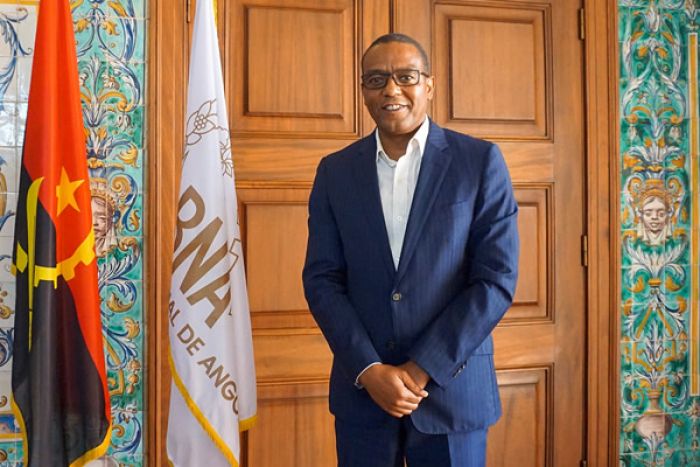
Speaking at the 2nd edition of “Conversas Economia 100 Makas” in Luanda, Angola’s Minister of State for Economic Coordination, José de Lima Massano, did not sugarcoat the situation. He openly acknowledged that the removal of subsidies on fuel, electricity, and water is both “demanding” and “unpopular.” Yet, he insisted, it is a non-negotiable necessity.
“The subsidies are so high that they undermine the stability of our public accounts,” said Massano. He illustrated the dilemma starkly: the amount earmarked for fuel subsidies in 2024 nearly equals the budget required to execute 1,400 infrastructure and development projects already in motion. The math is clear—and unforgiving.
Angola’s economic team currently oversees around 3,000 projects, with 1,400 under active execution. However, due to fiscal constraints, 500 of these have been abruptly put on hold. Not because they lack importance, but because the country’s finances simply cannot stretch far enough. The government has been forced into the difficult position of prioritizing long-term financial health over immediate public appeasement.
“We had to pause these projects to ensure stability in our public finances,” Massano reiterated. It’s a tough trade-off, but a responsible one. The reality is that Angola can no longer afford the illusion of affordability when subsidies are draining the coffers and stalling progress.
Subsidies in Angola have disproportionately benefited wealthier citizens and fuel smuggling rings rather than the most vulnerable segments of society. Cheap fuel is smuggled across borders, depriving the nation of both valuable resources and much-needed revenue. It’s a case of good intentions gone awry, and the system, as it stands, perpetuates economic inefficiency and inequality.
In late 2023, the government began implementing its subsidy rollback, aligned with recommendations from the International Monetary Fund (IMF). Just last month, the price of diesel rose by 50%, bringing it in line with gasoline at 300 kwanzas per liter (about 30 cents). While the adjustment sparked public discontent, it marks a crucial turning point in Angola’s economic restructuring.
The opposition to the reforms is understandable. For decades, cheap fuel has been viewed almost as a birthright. In a nation where economic inequality runs deep, any increase in living costs stirs anxiety. However, clinging to unsustainable policies will only delay and deepen the financial reckoning. The long-term costs of inaction would be far greater than the discomfort of reform.
What Angola needs now is not retreat, but resolve. Subsidy reform is not just about cutting costs; it’s about reallocating public funds to where they are needed most. By phasing out these blanket subsidies, the government can redirect billions into healthcare, education, infrastructure, and social welfare programs that directly improve citizens’ lives.
As Massano put it, this is about correcting course: “We need to have this correction and be able to allocate these resources to those sectors that need it, to more quickly address the vulnerabilities that we are still experiencing.”
The challenge lies in communication and execution. The Angolan government must accompany its reforms with a robust social protection strategy. Targeted cash transfers, food subsidies, and public transport support can help cushion the impact on lower-income households. Transparency and consistency in policy messaging will also be critical in maintaining public trust during this transition.
Angola’s leaders have an opportunity to demonstrate fiscal responsibility and long-term vision. If they stay the course, these reforms can unlock a more equitable and sustainable economic future. Yes, the road will be rocky, but the alternative—continued dependency on volatile oil revenues and inefficient subsidy schemes—is far more dangerous.
In the final analysis, economic reform demands courage. The Angolan government is showing it has the will to make the tough calls. Now, it must follow through with care, conviction, and compassion. The future of Angola’s economy depends on it.
Leave a Reply